
Venice Walking Tour
Planning Guide

Venice Walking Tour Self-guided

Venice operates as Europe's largest pedestrian zone, where bridges and alleyways replace roads and the city unfolds entirely on foot. A venice walking tour self-guided gives you control over pace and routing through this six-sestiere maze, where even residents rely on landmarks rather than street names to navigate.

8 min read Updated 2026-10-01 Fact-checked
Venice Walking Tour Self-guided

Quick answer

Venice is accessible 24 hours daily for self-guided walking at no entrance fee, though individual attractions within your route charge separate admission. The city's 400 bridges and 3,000 calli (narrow streets) create a pedestrian-only network spanning roughly 7 square kilometers. Early morning walks between 7:00 and 10:00 offer the clearest sightlines before cruise ship arrivals flood the main corridors around San Marco.

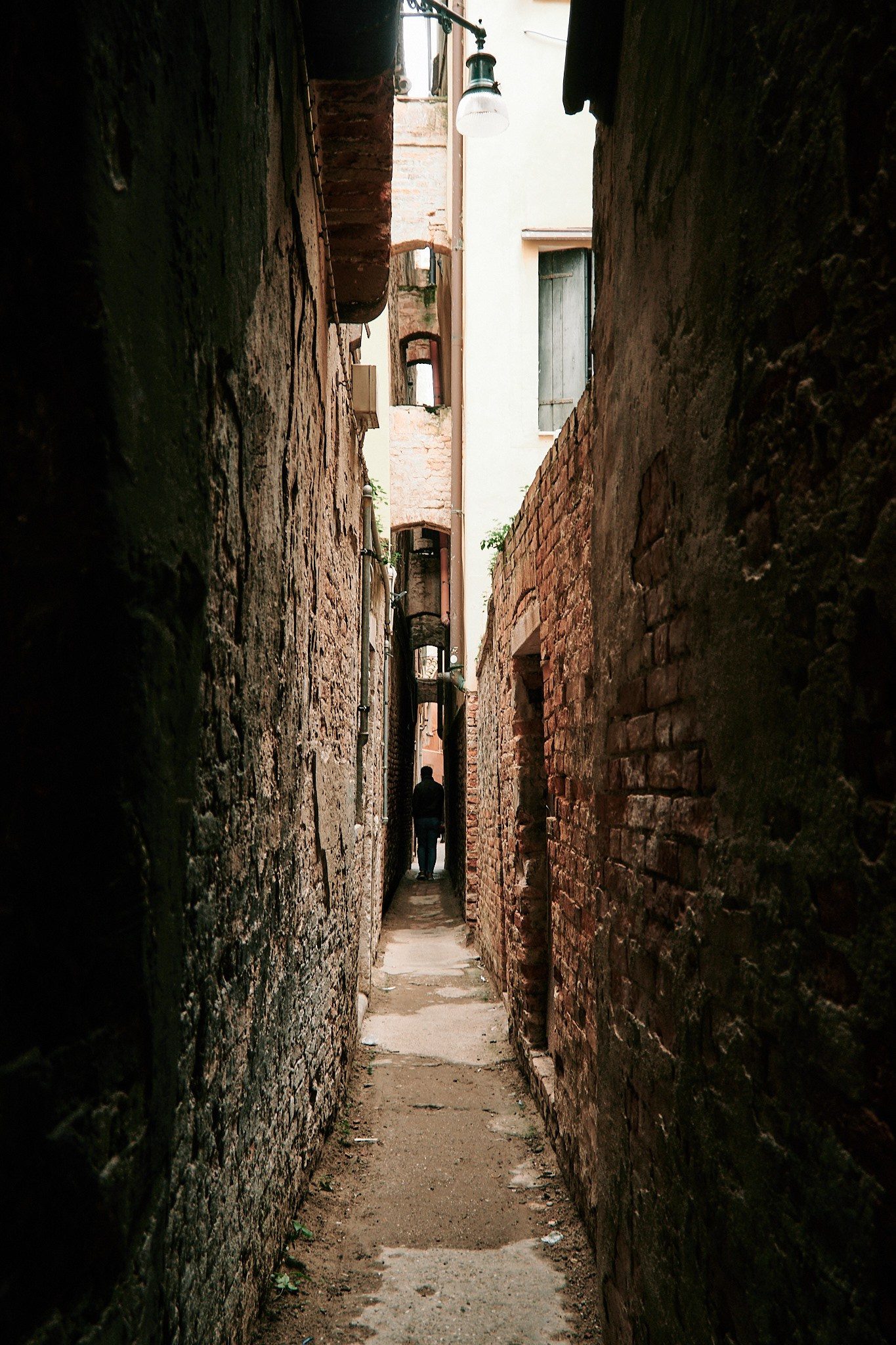
Venice prohibits wheeled vehicles across its historic center, making every visit inherently a walking experience. The city's layout follows medieval patterns where water determined urban planning—what appears chaotic on modern maps was engineered around canal access and merchant routes. A self-guided walking tour through Venice requires accepting that getting lost is structural, not accidental: the sestieri boundaries confuse even GPS, and the shortest visual distance often demands three bridge crossings. The San Marco district anchors most first-visit routes, radiating from the Piazza San Marco basilica and Doge's Palace through the Mercerie shopping corridor toward the Rialto Bridge. This 1.2-kilometer spine carries the heaviest foot traffic but connects the city's postcard landmarks in a linear sequence. Branching east into Castello or west toward Cannaregio opens residential quarters where fondamenta (canal-side walkways) replace the crowd-choked calli. Venezia Unica manages the city's official tourist services and publishes verified pedestrian maps that mark vaporetto stops, public restrooms, and the wheelchair-accessible bridges—critical infrastructure in a city where most navigation instructions end with "then climb the steps." A venice walking tour self-guided works best when you align your route with the tidal schedule: acqua alta (seasonal flooding) can block lower-lying paths between October and January, forcing real-time reroutes through elevated alternatives. The physical demands differ from flat-city walking. Venice's 400 bridges mean constant ascents and descents, and the uneven paving stones in older districts challenge standard footwear. Summer heat amplifies in the stone-walled calli where shade disappears by midday, while winter fog can reduce visibility to a single bridge length. The city's compact scale deceives—San Marco to the train station measures only 1.5 kilometers in a straight line, but the actual walking distance through the maze doubles that figure and adds 30 minutes to any estimate.

“The city's 400 bridges and 3,000 calli create a pedestrian-only network where getting lost is structural, not accidental.”
Itinerary

Suggested Venice Walking Tour Self-Guided Itinerary

This route connects Venice's core landmarks in a logical loop, starting at San Marco and weaving through quieter districts before returning along the Grand Canal. Budget four to five hours walking, plus time inside any attractions you choose to enter.

Morning

San Marco to Rialto

Begin at Piazza San Marco, then walk north through the Mercerie shopping streets toward Rialto Bridge—a twenty-minute walk through the city's busiest commercial corridor.

Mid-morning

Rialto Market and Cannaregio

Cross Rialto Bridge, explore the morning market if it's open, then head northwest into Cannaregio's quieter canals and the Jewish Ghetto, about thirty minutes on foot.

Late morning

Fondamenta degli Ormesini

Follow the northern fondamenta west for a local perspective—cafés, small workshops, and fewer tourists; this stretch takes fifteen to twenty minutes.

Midday

Santa Maria Gloriosa dei Frari

Walk south into San Polo to reach the Frari church, a Gothic landmark with Titian's altarpiece; the detour adds twenty minutes.

Early afternoon

Accademia and Dorsoduro

Cross the Accademia Bridge into Dorsoduro, then loop past the Peggy Guggenheim Collection and the Salute basilica along the waterfront—forty minutes if you stay outside.

Afternoon

Return via Zattere or Giudecca Canal

Walk the Zattere promenade back toward San Marco, or take the short vaporetto hop across the Giudecca Canal to close the loop; either option takes thirty to forty minutes.

Prices

Venice Walking Tour Self-Guided Costs and Entrance Fees

A self-guided walking tour of Venice requires no admission fee for public thoroughfares. Costs only apply if you choose to enter specific cultural sites or attractions along your route.

General Walking Public streets are free to access
0 EUR
Attractions/Museums Individual entry fees required per location
Varies
General pedestrian access to the city of Venice is free of charge for all visitors.

Verdict: The base cost for a self-guided walking tour is 0 EUR, though your total spend depends entirely on the number of paid attractions you choose to enter.

Opening hours

Opening Hours for Venice Walking Tour Self-Guided Routes

Public streets and pedestrian pathways in Venice are accessible at all hours, allowing for self-guided exploration throughout the day and night. Please be aware that individual attractions, museums, and churches along your route operate on their own distinct schedules.

Monday
00:00–23:59
Public access
Tuesday
00:00–23:59
Public access
Wednesday
00:00–23:59
Public access
Thursday
00:00–23:59
Public access
Friday
00:00–23:59
Public access
Saturday
00:00–23:59
Public access
Sunday
00:00–23:59
Public access
As public walking routes remain open continuously, there is no formal last-entry time for the tour itself; however, specific site visits should be planned according to their individual operating hours.
Directions

How to Reach the Start of Your Venice Walking Tour Self-Guided

The central hub for most walking tours is located in San Marco, 30124 Venice. The most accessible way to reach this area is via the public water bus system, known as the Vaporetto.

Boat 45 min —

Vaporetto Line 1 to San Marco Vallaresso

Boat 30 min —

Vaporetto Line 2 to San Marco Giardinetti

On foot 60 min 0 EUR

Follow directional signs from Venezia Santa Lucia station

Vaporetto stops provide direct access to the main district. If arriving by train at Venezia Santa Lucia, prepare for a walk through the city or transfer to the water bus for a more direct route to the San Marco area.

What to see

Key Sights on a Venice Walking Tour Self-Guided Route

A self-guided walking tour through Venice allows you to encounter iconic landmarks and hidden architectural details at your own pace. These locations serve as primary waypoints throughout the San Marco district and adjacent areas.

Piazza San Marco

The primary public square of Venice, featuring the historic Procuratie buildings and the iconic Campanile. Walk the perimeter early to observe the scale of the architecture before the square fills.;View from the center toward the Basilica facade at sunrise.;Piazza San Marco architecture detail

St. Mark's Basilica

A historic cathedral known for its Italo-Byzantine architecture and extensive gold ground mosaics. Observe the exterior carvings on the western facade to identify biblical figures and zodiac symbols.;Look up at the upper arches for intricate mosaic work.;St. Marks Basilica facade mosaics

Doge's Palace

A Venetian Gothic landmark that served as the residence of the Doge and the seat of the Venetian government. Notice the contrast between the heavy marble upper walls and the delicate stone tracery of the lower arcades.;Walk through the Porta della Carta entrance area.;Doges Palace Gothic architecture details

Bridge of Sighs

An enclosed limestone bridge connecting the Doge's Palace to the historic prison. Stand on the Ponte della Paglia to photograph the bridge from the exterior.;Position yourself on Ponte della Paglia for a clear view.;Bridge of Sighs exterior view

Book

Check availability

Frequently asked

Frequently Asked Questions About Venice Walking Tours

Everything you need to know about venice walking tour self-guided

Is a venice walking tour self-guided easy to follow?

The labyrinthine layout of the city can be challenging, but many visitors find a venice walking tour self-guided to be a rewarding way to discover the iconic canals and bridges at their own pace. Using a digital map or guide helps navigate the narrow calli and campi effectively.

What is the best time to start a venice walking tour self-guided?

The best arrival window is 07:00–10:00 to avoid peak cruise ship crowds and the midday heat in narrow streets. Starting early ensures a quieter experience through the historic districts.

Are there entrance fees for a venice walking tour self-guided?

There is a 0 EUR entrance fee for general walking throughout the city. While you do not pay for the walk itself, please note that specific attractions along your route may charge separate entry fees.

How long does a typical venice walking tour self-guided take?

Most visitors spend several hours exploring, though the duration depends entirely on your pace and how many pauses you take at local cafes or artisan shops. A self-guided stroll allows you to customize the time spent at each architectural site or monument.

Can I explore hidden Venice landmarks on a self-guided stroll?

Yes, you can easily reach many significant Venetian landmarks by walking. Exploring the historic sestieri allows you to find local squares and hidden courtyards often missed by large tour groups.

Is this route suitable for children?

The streets are generally pedestrian-friendly, though the many bridges with steps can make navigating with strollers difficult. Preparing for a comfortable walk involves wearing sturdy shoes and planning routes that minimize bridge crossings where possible.

Keep reading

More guides & pages